Yoga and meditation are two sides of the same coin: yoga harmonizes the body, while meditation calms the mind. When practiced together, they create a powerful pathway to inner peace, helping you navigate stress, emotional turbulence, and the busyness of modern life.
1. How Yoga Prepares the Body for Meditation
The body and mind are deeply interconnected. Physical tension can make it difficult to meditate, while meditation is more effective when the body is relaxed and alert. Yoga poses help by:
Releasing muscle tension: Gentle stretches ease stiffness in the back, shoulders, and hips.
Improving posture: Strengthens the spine and core, making long periods of sitting comfortable.
Increasing body awareness: Mindful movement fosters presence, which carries over into meditation.
Balancing energy: Flowing sequences help calm the nervous system, reducing restlessness.
Examples of preparatory poses:
Cat-Cow (Marjaryasana–Bitilasana) – loosens the spine
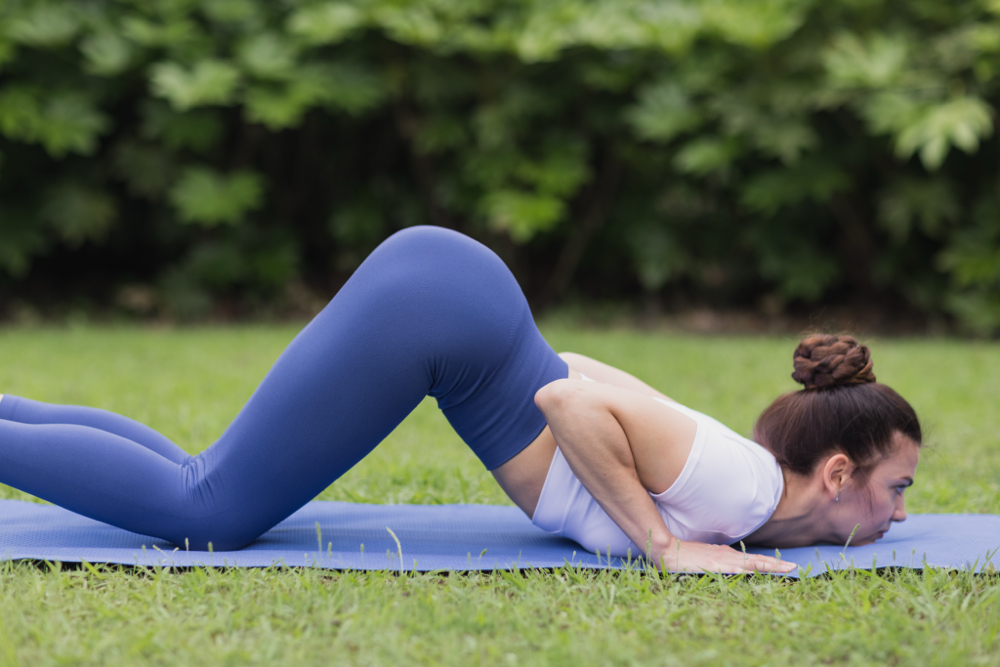
Child’s Pose (Balasana) – encourages surrender and calm
Seated Forward Fold (Paschimottanasana) – quiets the mind
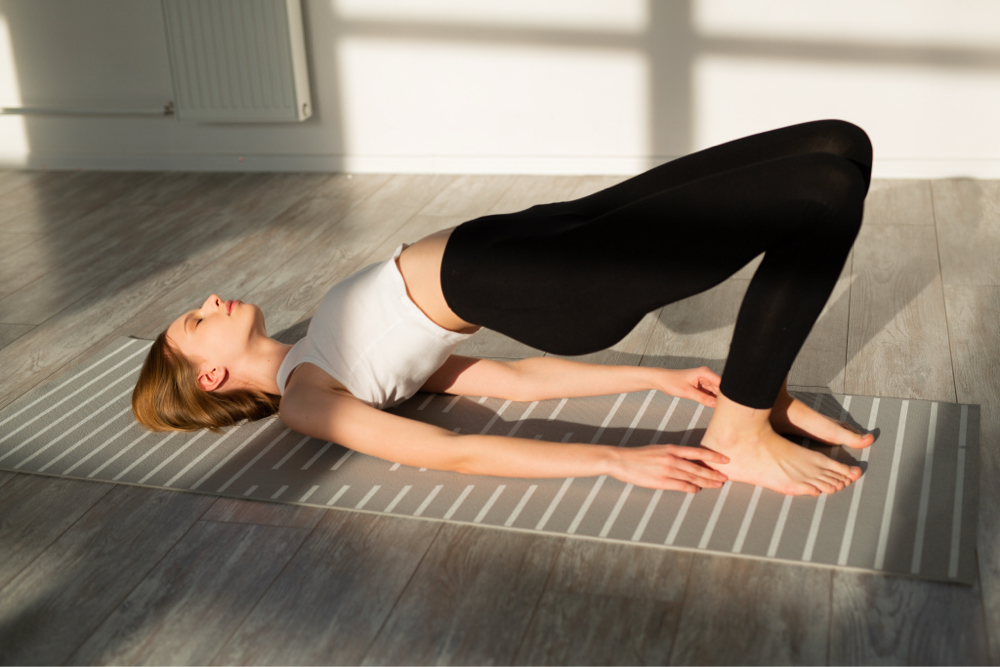
Legs-Up-the-Wall Pose (Viparita Karani) – restores energy and relaxes the body
2. Meditation Techniques for Inner Peace
Once the body is calm, meditation can deepen your sense of inner stillness. Some effective techniques include:
a. Mindful Breathing
Focus on the natural rhythm of your breath.
Observe each inhale and exhale without trying to control it.
b. Body Scan Meditation
Mentally scan your body from head to toe, noticing areas of tension.
Breathe into those areas, releasing stress and tightness.
c. Mantra Meditation
Repeat a calming word or phrase (like “peace” or “Om”) silently.
Helps focus the mind and block distracting thoughts.
d. Loving-Kindness (Metta) Meditation
Visualize sending love and compassion to yourself and others.
Cultivates emotional balance and inner warmth.
3. A Simple Yoga + Meditation Flow for Inner Peace (15–20 Minutes)
Opening Stretch – 3 min
Gentle neck rolls, shoulder shrugs, and side stretches to release tension.
Yoga Flow – 7–10 min
Cat-Cow (1–2 min)
Downward Dog (1–2 min)
Seated Forward Fold (2 min)
Legs-Up-the-Wall or Child’s Pose (2–3 min)
Meditation – 5–7 min
Sit comfortably (cross-legged or on a chair).
Focus on your breath or a mantra.
If the mind wanders, gently return to your breath.
Closing – 1–2 min
Slowly open your eyes, stretch arms overhead, and take a few conscious deep breaths.
Reflect on the calm and clarity you’ve cultivated.
4. Tips for a Consistent Practice
Start small: Even 10 minutes daily makes a difference.
Create a peaceful space: A quiet corner, soft light, or a yoga mat can enhance focus.
Be gentle with yourself: Inner peace is cultivated gradually, not forced.
Combine movement and stillness: Flowing yoga warms the body, meditation stills the mind.
Observe changes: Journaling how you feel before and after practice can reinforce mindfulness.
5. The Essence
Combining yoga and meditation is not about perfection—it’s about awareness, presence, and connection.
Yoga grounds the body and releases tension.
Meditation centers the mind and cultivates serenity.
Together, they help you let go of stress, embrace the present moment, and discover a lasting sense of inner peace.